




Matt Potts is service manager for economy, funding and skills overseeing Invest in Shropshire, and here he takes a look at why the visitor economy is one of the county's quiet powerhouses
Ask most people to name Shropshire’s key economic sectors and tourism may not top the list. Yet it makes a substantial and far-reaching contribution, supporting businesses, jobs and communities across the county.
As we move into the summer months, attention turns to holidays and day trips. Whether visitors travel from overseas or choose to stay closer to home, their spending directly fuels our local economy. In Shropshire, the visitor economy is now worth more than £1 billion and supports over 9,400 jobs. That is a strong foundation, but it also highlights a clear opportunity to do more.
We often underestimate tourism as a sector. In practice, it reaches far beyond hotels, attractions and cafés. Visitor spending ripples through an extensive supply chain. Local tradespeople maintain and upgrade accommodation. Food producers supply kitchens and venues. Logistics businesses keep goods moving. Retailers, petrol stations and high streets all benefit from increased footfall.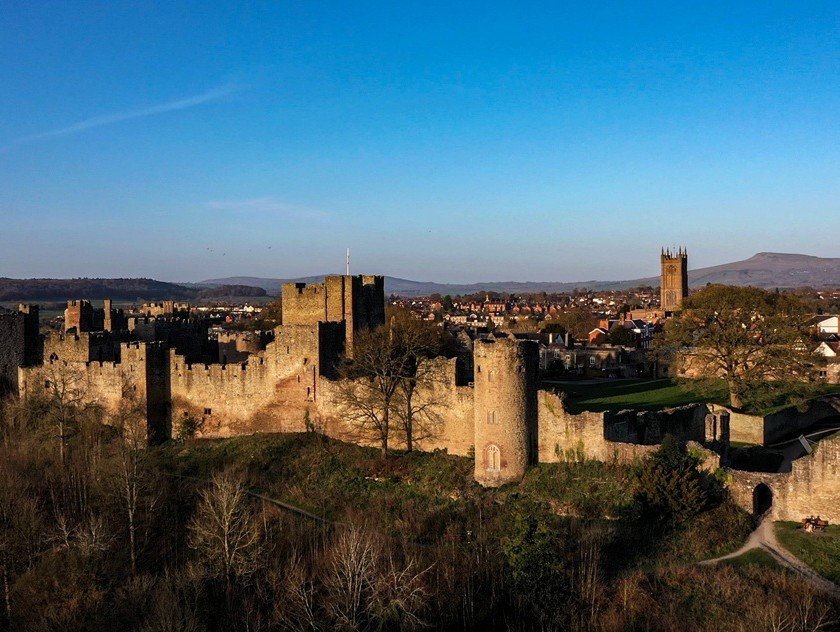
This wider impact helps sustain rural enterprises, town centres and essential services that communities rely on all year round. The visitor economy is not an add-on. It plays a central role in the health and resilience of Shropshire’s economy.
It also creates vital routes into employment. For many young people, particularly as technology reshapes entry-level roles, jobs in hospitality and leisure provide a first step into the workplace. These roles build transferable skills such as communication, teamwork and problem-solving. The sector does not just create jobs, it helps develop the future workforce.
Our focus now must shift from volume to value. It is not simply about attracting more visitors, but about increasing the value of every visit. Our recently published Shropshire Destination Management Plan sets out a clear direction. We want to encourage longer stays, promote higher quality experiences and strengthen links with local businesses.
Growth must also be sustainable. We need to protect the landscapes, heritage and character that make Shropshire distinctive while ensuring that tourism continues to deliver economic benefit. This is where regenerative tourism comes into its own.
Regenerative tourism goes beyond reducing impact. It actively improves the places people visit. This might mean supporting local suppliers, investing in natural assets or encouraging visitors to leave a positive mark during their stay.
We are already seeing this approach take shape locally. Paddle Bros in Ellesmere, for example, which opened its new centre last Easter, combines outdoor activities with litter-picking on local waterways. It enhances the visitor experience while improving the environment. It is a simple idea, but a powerful one.
Accessibility presents another major opportunity. The Accessible Tourism market is worth billions nationally and continues to grow. By improving accessibility across accommodation, attractions and public spaces, we can welcome a broader range of visitors. This is not only the right thing to do, it makes clear economic sense for local businesses.
A thriving visitor economy also strengthens our wider investment ambitions. Successful destinations attract attention. Many investors and business owners first encounter Shropshire as visitors. They come for the landscape, heritage and quality of life, then recognise its potential as a place to live, work and invest.
The visitor economy works best when delivered in partnership, and we are working with Telford & Wrekin Council, Visit Telford, Visit Shropshire, and sector partners though the Visit England-accredited Telford and Shropshire Local Visitor Economy Partnership that brings councils, businesses and sector leaders together, with one ambition: to unlock the full potential of the region.
Tourism, therefore, should not sit in isolation. It shapes perception, strengthens place appeal and supports long-term economic growth.
Shropshire already has a strong story to tell. The opportunity now is to build on that success and position the visitor economy as an even more powerful driver of growth in the years ahead.
Pictured: Ludlow Castle - one of the jewels in Shropshire's crown