




Shropshire businesses are being urged to review the VAT treatment on services purchased from overseas providers or they may risk penalties.
Julie Selley, from Dyke Yaxley Chartered Accountants in Shrewsbury, said incorrect charges could lead to HM Revenue and Customs challenges, penalties and unexpected costs.
“Many companies are unaware of how international suppliers should apply VAT and of the consequences of getting it wrong.”
Julie said under current UK VAT rules, overseas IT service providers must register for UK VAT and, by default, treat all customers as consumers unless business details are supplied.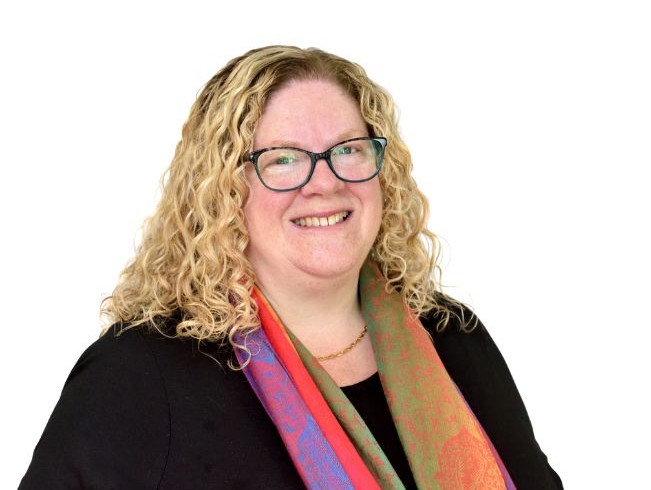
“As a result, overseas suppliers will automatically charge UK VAT unless the customer has provided their business name and UK VAT registration number. This default position is catching businesses out. Unless you’ve updated your account profile with your VAT number, the supplier will assume you’re a consumer and charge VAT – even when the service should be reverse charge.”
For UK-registered businesses, services purchased from outside the UK should normally be treated as business-to-business (B2B) supplies. In these cases, the supplier should not charge VAT. Instead, the UK business must apply the reverse charge mechanism on its VAT return, accounting for both output and input VAT with the net effect being nil for most VAT registered businesses.
“When VAT is charged incorrectly, HMRC may disallow the input VAT during an inspection,” said Julie. “They could also assess penalties and interest on any VAT reclaimed in error. HMRC will typically instruct businesses to obtain a credit note from the supplier – including major providers such as Microsoft and Adobe – and request a corrected invoice showing the accurate VAT treatment.”
Securing credit notes or refunds from large international companies can be challenging, but Julie said it was essential to act promptly.
“These organisations can be difficult to navigate, but ensuring your account details are accurate is vital. It protects your business from future VAT issues and demonstrates to HMRC that you’ve taken reasonable steps to correct the position.”
Julie said businesses should log in to their relevant online accounts, update their profiles to include their VAT registration number, and request refunds where VAT has been incorrectly charged. This will help ensure correct VAT treatment going forward and reduce the risk of HMRC enquiries.
“VAT on overseas services is a complex area, and mistakes are increasingly common. If you’re unsure whether your supplier has applied VAT correctly, seek professional advice. It’s far better to check now than face costly corrections later,” said Julie.
Pictured: Jullie Selley from Dyke Yaxley Chartered Accountants